Faculty

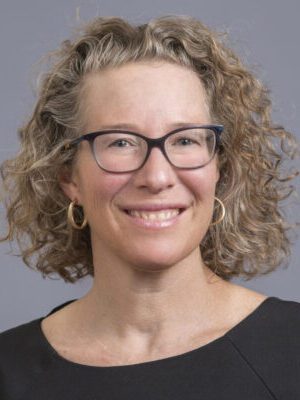
Emily Ozer, Ph.D.Emily J. Ozer, Ph.D.
Associate Professor
Community Health and Human Development
PHONE: (510) 642-1723
FAX: (510) 642-3713
LOCATION: 529 University Hall
E-MAIL: eozer@berkeley.edu


Research Interests

  • School and community-based interventions
  • Promotion of mental and physical health among adolescents
  • Violence prevention
  • Trauma and Post-Traumatic Stress Disorder

Publications

Ozer, E.J., Fernald, L.C.H., Weber, A., Flynn, E. & VanderWeele, T. J. Does alleviating poverty affect mothers’ depressive symptoms? A quasi-experimental investigation of Mexico’s Oportunidades programme. (in press, International Journal of Epidemiology)

Ozer, E.J. & Schotland, M. Psychological Empowerment among Urban Youth: Measure Development and Relationship to Psychosocial Functioning. (in press, Health Education and Behavior)

Ozer, E.J., Ritterman, M., Wanis, M. (2010). Participatory Action Research (PAR) in middle school: Opportunities, constraints, and key processes. American Journal of Community Psychology, 46:152-166.

Ozer, E.J., Wanis, M., and Bazell, N. (2010). Diffusion of school-based prevention programs in two urban districts: Adaptations, rationales, and suggestions for change. Prevention Science, 11:42-55.

Ritterman ML, Fernald LC, Ozer EJ, Adler NE, Gutierrez JP, Syme SL. (2009). Objective and subjective social class gradients for substance use among Mexican adolescents. Social Science and Medicine; 68(10):1843-51.

Ozer, E.J., Fernald, L.C.H., Manley, J., Gertler, P. (2009). Effects of a conditional cash transfer program on the behavior problems of young children living in poverty. Pediatrics, 123(4):e630-7.

Fernald, L.C.H., Hamad, R., Ozer, E.J., Karlan, D., Zinman, J. (2008). Micro-credit and mental health: A randomized experiment among South African adults. BMC Public Health, Dec 16(8): 409.

Ozer, E.J. Cantor, J.P., Cruz, G.W., Fox, B., Hubbard, E. and Moret, L. (2008). The diffusion of youth-led participatory research in urban schools: The role of the prevention support system in implementation and sustainability. American Journal of Community Psychology, 41(3), 278-289.

Ozer, E.J., Wolf, J.P., & Kong, C. (2008). Sources of school connection among ethnically-diverse urban adolescents. Journal of Adolescent Research, 23(2), 438-470.

Ozer, E.J. (2007). The effects of school gardens on students and schools: Conceptualization and considerations for maximizing healthy development. Health Education and Behavior, 34(6), 846-863.

Lieberman, A., Van Horn P, & Ozer, E. J. (2005). Preschooler witnesses of marital violence: Predictors and mediators of child behavior problems. Development and Psychopathology, 17, 385-396.

Ozer, E.J. (2005). The impact of violence on urban adolescents: Longitudinal effects of perceived school connection and family support. Journal of Adolescent Research, 20(2), 167-192.

Ozer, E.J. & Weiss, D.S. (2004). Who develops Posttraumatic Stress Disorder? Current Directions in Psychological Science, 13(4), 169-172.

Ozer, E.J., Tschann, J.M., Pasch, L.A., & Flores, E. (2004). Violence perpetration across peer and partner relationships: Co-occurrence and longitudinal patterns among adolescents. Journal of Adolescent Health, 34, 64-71.

Ozer, E.J., Best, S., Weiss, D.S., & Lipsey, T. (2003) Predictors of Post-Traumatic Stress Disorder in adults: A meta-analysis. Psychological Bulletin, 129(1), 52-73.

Other Interests

  • Fellow, Center for Advanced Study of Behavioral Sciences, Stanford 2011-2012
  • William T. Grant Foundation Scholar 2006-2011
  • Clinical Psychologist
  • Robert Wood Johnson Health and Society Scholars Program (Affiliated Faculty)
  • UCSF Postdoctoral Program in Psychology and Medicine (Affiliated Faculty)
  • Regional Coordinator, Society for Community Research and Action (APA Divison 27)

Profile updated: September 20, 2011